

In the modern food processing business, efficiency, quality, and preservation are critical priorities. Advanced best freeze dryer methods have emerged as essential methods for manufacturers seeking to keep up natural price, expand ledge life, and lower waste. By analyzing mathematical ideas and market developments, it becomes clear why these programs are getting widespread usage across food handling facilities globally.

What Is a Freeze Dryer and How Does It Perform?
A freeze dryer, also called a lyophilizer, eliminates moisture from food through an activity called sublimation, wherever snow changes directly into vapor without moving through the water phase. This approach preserves the food's structure, flavor, and nutrients a lot more effectively than old-fashioned drying techniques.
Business knowledge shows that freeze-dried meals retain up to 97% of their unique nutritional elements, compared to just 60–70% in traditional dehydration processes. That makes sophisticated freeze dryer systems important for suppliers focused on top quality, nutrient-rich products.
Why Are Advanced Freeze Dryer Programs Required for Food Processing?
Contemporary food control features experience raising need for products and services that are convenient, shelf-stable, and nutritionally intact. Statistics indicate that the global freeze-dried food market is projected to cultivate at a element annual development rate of over 6% between 2025 and 2030, pushed by need for balanced snacks, quick foods, and long-term food storage solutions.
Advanced freeze dryer programs present many advantages. They let precise temperature and force get a handle on, permitting uniform drying across many different products. That effects in consistent item quality, paid down spoilage, and larger yields. Knowledge implies that features applying automated freeze dryers knowledge up to a 25% increase in overall creation efficiency.
How Do Freeze Dryers Increase Item Rack Living?
Rack living is a critical factor in food distribution and retail. Freeze-dried ingredients can last 10–25 years when kept effectively, making them perfect for crisis materials, military rations, and long-term storage. Comparative studies show that freeze drying decreases microbial development somewhat, enhancing food security and decreasing the necessity for chemical preservatives.
By sustaining minimal water content—typically below 2%—freeze-dried services and products also keep their unique consistency and quality, that will be statistically correlated with higher customer pleasure and repeat purchases.
What Industries Gain Most from Sophisticated Freeze Dryer Systems?
While food handling is the primary business, freeze dryers are increasingly utilized in pharmaceuticals, nutraceuticals, and puppy food production. Data show that food and beverage purposes take into account around 50% of freeze dryer application, followed closely by biotech and pharmaceutical sectors.
Within the meals market, applications include good fresh fruit and plant grains, ready-to-eat dinners, espresso, herbs, and snacks. Freeze drying enables manufacturers to diversify item promotions while maintaining natural integrity and industry competitiveness.
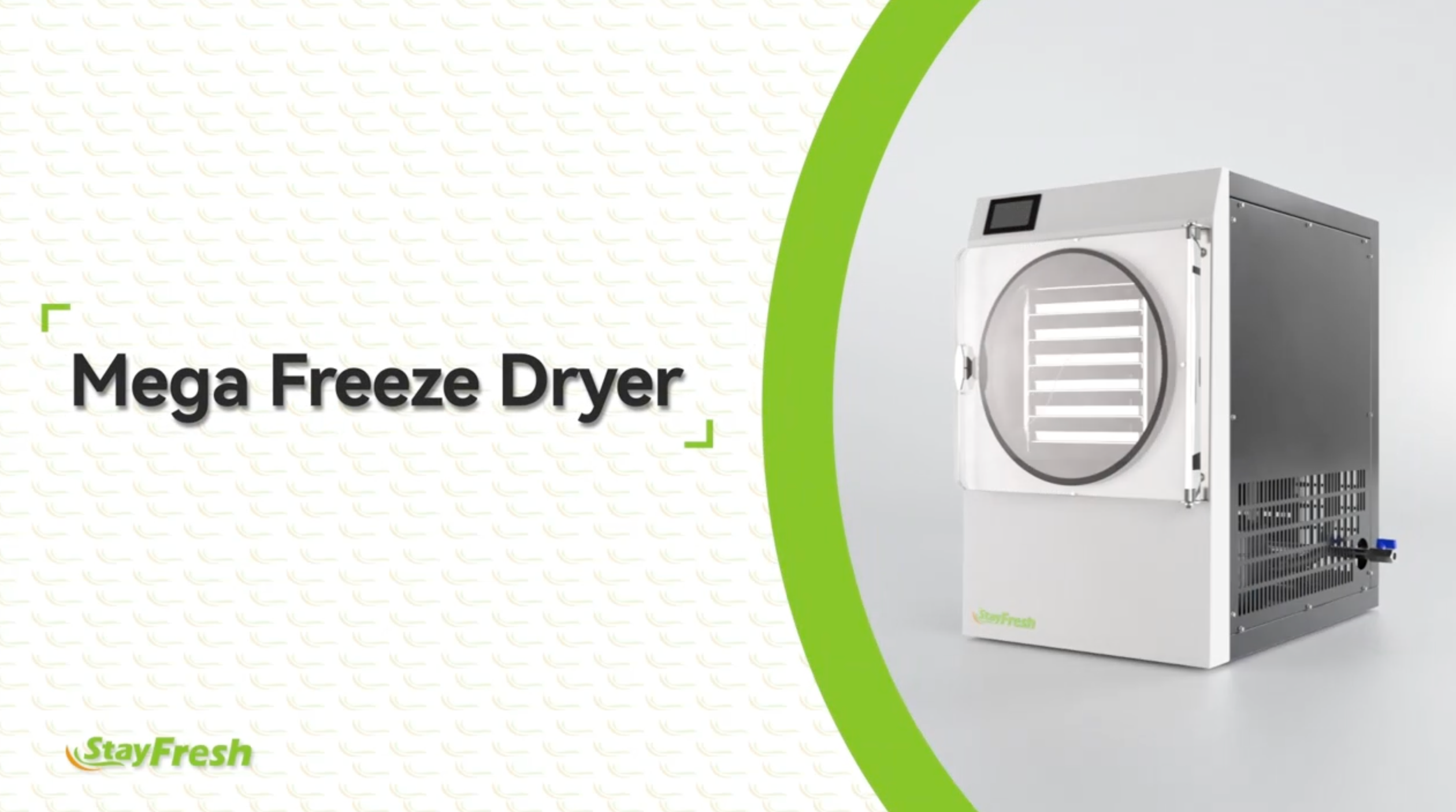
How Do Automation and Engineering Enhance Freeze Drying Performance?
Contemporary freeze dryer techniques integrate advanced automation and checking technologies. Detectors and software track temperature, pressure, and drying rounds in real time, reducing individual error and ensuring repeatable results. Data shows that automatic methods minimize energy consumption by up to 20% and decrease running time in comparison to information operations.
Additionally, distant monitoring and predictive maintenance features allow operators to spot dilemmas before they affect manufacturing, increasing uptime and functional efficiency.
What Would be the Future Developments in Freeze Dryer Technology?
Business traits indicate growing need for small, energy-efficient, and high-capacity freeze dryers that focus on both large-scale procedures and smaller store producers. Sustainability is also an emphasis, with producers investing in methods that reduce power consumption and carbon footprint.
In conclusion, sophisticated freeze dryer techniques are transforming food handling by enabling successful, nutrient-preserving, and top quality production. Through accurate control, prolonged rack living, and technical innovations, these methods provide measurable benefits in production, solution reliability, and customer pleasure, solidifying their role as a critical investment for modern food manufacturers.